

Cleaning stove burners are an essential part of kitchen maintenance that ensures your stove functions efficiently and safely. Over time, grease, food particles, and spills can accumulate on stove burners, hindering their performance and even posing a fire hazard if left uncleaned. Whether you have a gas stove with removable burners or an electric stove with coil burners, regular cleaning of the stove top not only improves aesthetics but also extends the lifespan of your appliances. In this detailed guide, we’ll walk you through effective methods and expert tips on how to clean stove burners thoroughly.
Why Regular Cleaning Matters
Stove burners are exposed to a lot of cooking residue, which can lead to several problems if not cleaned regularly:
- Reduced Efficiency: Buildup on burners can obstruct the flow of gas or heat, resulting in uneven cooking or longer cooking times.
- Fire Hazard: Grease and food debris can ignite when exposed to high temperatures, posing a fire risk.
- Aesthetic and Hygiene Concerns: A dirty stove not only looks unsightly but can also harbor bacteria and unpleasant odors.
By incorporating regular cleaning into your kitchen routine, you can prevent these issues and ensure that your stove operates safely and efficiently.
Tools You’ll Need
Before you start cleaning your stove burners, gather the following supplies:
- Warm, Soapy Water: Effective for general cleaning.
- Baking Soda: Helps tackle stubborn stains and grease.
- White Vinegar: Useful for dissolving mineral deposits.
- Soft Sponge or Cloth: To avoid scratching the stove surface.
- A toothbrush or Small Brush: Handy for cleaning small crevices.
- Rubber Gloves: Protect your hands from cleaning agents.
- Paper Towels or Clean Cloth: For drying off surfaces.
Step-by-Step Guide: How to Clean Stove Burners
Safety First
- Turn Off the Stove: Ensure the stove is completely cool before you start cleaning to prevent burns.
- Disconnect Power (if applicable): For electric stoves, unplug them from the power source to avoid electrical shocks.
Remove Burner Components
- Gas Stoves: Allow the burners to cool completely. Carefully lift them off the stove. If unsure, consult your stove’s manual for specific instructions.
- Electric Coil Burners: Wait until they are cool, then gently lift and remove the coils.
Soak and Clean
- Soak Removable Parts: Fill your sink or a basin with warm, soapy water. Submerge the burners and other removable parts for 15-20 minutes to loosen grime.
- Clean with Baking Soda: For tough stains on gas burner grates or electric coils, make a paste of baking soda and water. Apply it to the affected areas, let it sit for 15 minutes, then scrub with a sponge or brush.
Clean the Stove Surface
- Gas Stoves: Use a damp sponge or cloth with warm, soapy water to wipe down the stove surface. Pay attention to knobs, dials, and the area around the burners.
- Electric Stoves: Clean around the coil receptacle using a damp cloth. Be careful not to get moisture into the receptacle.
Address Stubborn Stains
- For Gas Burner Grates: Scrub with a brush or sponge soaked in soapy water. For tough stains, use a paste of baking soda and vinegar, scrubbing gently.
- For Electric Coil Burners: Wipe the coils with a damp cloth. Avoid using abrasive cleaners or scrubbing pads that could damage the coils.
Rinse and Dry
- Rinse Thoroughly: Rinse the burners and stove surface with clean water to remove any residue.
- Dry Completely: Use paper towels or a clean cloth to dry the burners and stove surface thoroughly before reassembly.
Reassemble and Test
- Gas Stoves: Ensure burners are completely dry before placing them back onto the stove. Check that they fit securely.
- Electric Stoves: Replace the coils carefully, ensuring they are properly seated in their receptacles.
Final Touches
- Polish Stainless Steel (if applicable): Use a stainless steel cleaner to polish the stove surface for a shiny finish.
- Dispose of Cleaning Materials: Safely discard used cleaning materials and rinse your cleaning tools for future use.
Expert Tips and Tricks
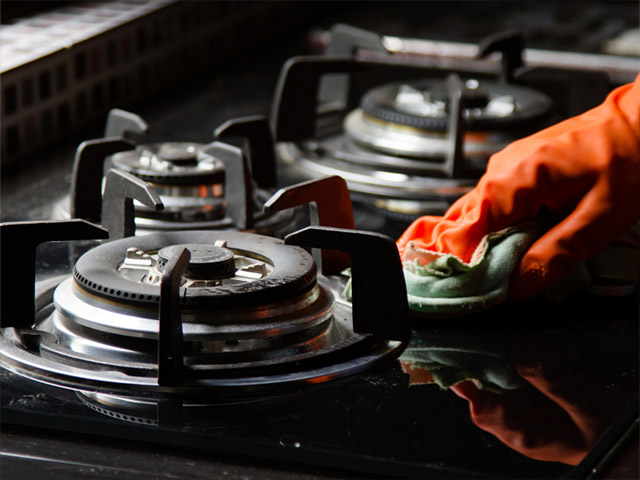
Preventive Maintenance
Why it’s important: Preventive maintenance involves regular upkeep to prevent excessive buildup of grease and grime on stove burners. By taking proactive steps after each use, you can reduce the frequency and effort required for deep cleaning sessions.
How to implement it:
- Wipe Down After Each Use: After cooking, allow the stove to cool down slightly. Then, using a damp cloth or sponge with mild dish soap, wipe down the stove surface and burners. Pay attention to areas where spills or splatters occurred.
- Clean Spills Promptly: If you notice any spills or boil-overs during cooking, clean them up as soon as possible. This prevents them from hardening and becoming more difficult to remove later.
- Use Stove Protectors: Consider using stove protectors or liners under burners to catch spills and splatters. These can be easily cleaned or replaced as needed, minimizing mess on the stove surface.
Use Cookware Properly
Why it’s important: Using the right size and type of cookware can prevent spills, which contribute to buildup on stove burners. Properly fitting cookware also ensures efficient heat transfer and prevents damage to burner components.
How to implement it:
- Match Cookware to Burner Size: Use pots and pans that match the size of the burner. Avoid using oversized cookware where flames can lick up the sides, causing spills and potential damage.
- Avoid Boil-Overs: Use caution when cooking liquids that can boil over. Use lids on pots to control splatters, and adjust heat settings to maintain a simmer rather than a vigorous boil.
- Clean Cookware Regularly: Keep your pots and pans clean to prevent residues that can transfer onto stove burners. This reduces the likelihood of buildup and makes cleaning easier.
Regular Inspection
Why it’s important: Regularly inspecting stove burners helps identify early signs of wear, damage, or buildup. Addressing issues promptly can prevent larger problems and ensure efficient stove operation.
How to implement it:
- Visual Inspection: Periodically visually inspect burners for any signs of discoloration, rust, or clogging of burner holes.
- Check Burner Flames: For gas stoves, observe the burner flames. They should be blue and stable. Yellow flames indicate incomplete combustion, which can be a sign of burner problems or inadequate airflow.
- Inspect Electric Coils: Check electric coil burners for any signs of wear or damage to the coils themselves or the receptacles they plug into.
Professional Maintenance
Why it’s important: Professional maintenance ensures that your stove is operating safely and efficiently. Technicians can identify and address underlying issues that may not be apparent during regular cleaning and inspection. For professional Sub Zero Wolf appliance repair service in Atlanta, contact Sub Zero Wolf Repair Atlanta for expert assistance.
How to implement it:
- Schedule Annual Service: Consider scheduling an annual maintenance service with a qualified technician, especially for gas stoves, and Wolf oven repair. They can inspect the entire appliance, clean internal components, and ensure that gas connections are secure and functioning correctly.
- Address Specific Issues: If you notice persistent problems such as uneven heating, strange odors, or difficulty lighting gas burners, it’s advisable to seek professional assistance promptly.
- Ensure Safety: Professional maintenance helps maintain safety standards, particularly with gas stoves where improper maintenance can lead to gas leaks or other hazards.
Conclusion
Learning how to clean a stove effectively is essential for maintaining a clean and functional kitchen. By following these detailed step-by-step instructions and incorporating expert tips into your cleaning routine, you can ensure your stove operates at peak performance and remains a centerpiece of your kitchen for years to come. Remember, a well-maintained stove not only saves you time and effort but also contributes to a safer cooking environment.
Moreover, for more specific and professional Wolf Oven Repair in Brookwood Hills, contact Sub Zero Wolf Repair Atlanta for expert assistance. Keep your kitchen sparkling and your cooking enjoyable with these practical cleaning tips for stove burners! Additionally, if you want to know how to clean an electric stove top discover our other blogs to maintain a clean and functional kitchen.
Frequently Asked Question
What is the best way to clean stove burners?
Remove the burners, soak them in warm, soapy water, and scrub with a non-abrasive sponge or brush. For tough grime, use a mixture of baking soda and water, let it sit for 20 minutes, then scrub. Rinse thoroughly and dry before reassembling.
How do you get burn marks off stove burners?
Apply a paste of baking soda and water to the burn marks and let it sit for 20 minutes. Scrub gently with a non-abrasive pad. For stubborn marks, use a vinegar spray before scrubbing. Rinse well and dry.
How to make stove burners look like new?
Clean thoroughly using a baking soda paste or vinegar spray. For extra shine, use a stainless steel cleaner or polish if applicable. Ensure all residue is removed and burners are completely dry before reassembly. Regular maintenance prevents buildup and keeps burners looking new.
