

Have you ever placed a dish in your electric oven, only to find it either undercooked or overdone? This frustrating experience can often be traced back to electric oven temperature problems. Whether your oven is not reaching the right temperature, fluctuating during cooking, or overheating, these issues can ruin your meals and diminish your oven’s performance. In this guide, we’ll dive into common oven temperature problems, provide DIY solutions, and show you when it’s time to call in a professional.
Common Electric Oven Temperature Problems
1. Oven Not Heating to the Set Temperature
If your oven does not maintain temperature properly, it can lead to frustrating cooking experiences. One of the common issues is an electric oven not maintaining temperature. You might notice your food taking much longer to cook than it should, or it doesn’t cook evenly.
Potential Causes:
- Malfunctioning Temperature Sensor: The temperature sensor in your oven measures the internal temperature. If it malfunctions, your oven may never reach the desired heat.
- Faulty Heating Element: Your oven has two main heating elements: one for baking and one for broiling. A broken heating element may result in poor temperature control.
2. Inconsistent or Fluctuating Temperature
In both electric and gas ovens, fluctuating or inconsistent temperatures can result in unevenly cooked meals. For gas ovens, if the gas oven won’t maintain temperature, it could be due to a worn-out igniter or thermostat issues.
Potential Causes:
- Thermostat Failure: A faulty thermostat can lead to inaccurate temperature readings and inconsistent heating.
- Worn-Out Igniter: In gas ovens, a worn igniter can prevent the oven from heating evenly.
- Control Board Issues: The control board regulates the oven’s operations, and if it malfunctions, it can cause unpredictable temperature shifts.
3. Oven Overheating
Is your oven heating beyond the set temperature, burning your food before it’s even halfway done? This issue could be dangerous and requires immediate attention.
Potential Causes:
- Defective Thermostat: A defective thermostat may cause the oven to overheat.
- Calibration Issues: Sometimes, the thermostat may be slightly off and need recalibration to prevent overheating.
How to Diagnose Electric Oven Temperature Issues

Before attempting repairs, it’s essential to correctly diagnose the problem. Here are some steps to help you identify the source of your oven’s temperature issues.
1. Use an Oven Thermometer
The easiest way to check if your oven’s temperature is off is by using an oven thermometer. Here’s how:
- Place the oven thermometer in the center of the middle rack.
- Preheat your oven to 350°F (or any set temperature).
- After about 15-20 minutes, check the thermometer. If there’s a significant difference between the set temperature and the thermometer’s reading, your oven may have a temperature problem.
2. Check the Heating Element
If your electric oven isn’t heating properly, it may be due to a faulty heating element. Look for visible signs of damage, such as:
- Cracks or Blistering: A broken heating element may have visible cracks or breaks.
- Uneven Heating: If one part of the element glows more than the other, it could be an indicator of uneven heating.
3. Inspect the Temperature Sensor
A malfunctioning sensor can prevent your oven from accurately detecting its internal temperature. Make sure the sensor is:
- Working Properly: Use a multimeter to check if the sensor is registering temperature changes.
- Correctly Positioned: The sensor should not be touching the oven walls, as this can throw off its readings.
DIY Solutions to Fix Temperature Problems
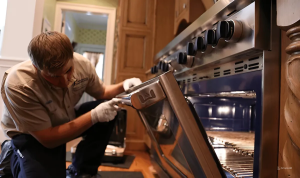
Once you’ve diagnosed the problem, you can take some simple steps to fix the issue yourself. Here are some common DIY fixes.
1. Recalibrating Your Oven Thermostat
Sometimes, your oven’s thermostat just needs a quick recalibration. Here’s how:
- Check your manual for instructions on recalibrating the thermostat.
- Set your oven to a specific temperature and use an oven thermometer to track its actual temperature.
- Adjust the thermostat if the actual temperature differs significantly from the set temperature.
2. Replacing Faulty Heating Elements
If your heating element is damaged, it’s time to replace it. Follow these steps:
- Turn off the power to your oven to avoid electrical shocks.
- Unscrew the damaged element and disconnect the wires.
- Install the new heating element, reattach the wires, and secure it with screws.
3. Checking and Fixing the Control Board
If you suspect that the control board is malfunctioning, look for these signs:
- Unresponsive Settings: If the oven doesn’t respond when you adjust the temperature, the control board may be at fault.
- Frequent Temperature Fluctuations: If your oven constantly changes temperature, a control board reset or replacement may be necessary.
When to Call a Professional
Not all oven temperature problems are DIY-friendly. Here are some signs that you should leave the job to a professional.
Signs You Shouldn’t Ignore
- Control Board Malfunction: If the control board is damaged beyond basic troubleshooting, professional replacement is required.
- Persistent Overheating: If recalibrating the thermostat doesn’t fix the issue, a defective thermostat or control board could be the problem.
- Sensor Replacement: Replacing a faulty temperature sensor often requires expert knowledge and special tools.
How Professionals Can Help
Professional oven technicians use diagnostic tools to pinpoint the root cause of electric oven temperature problems. Sub Zero Wolf Repair Atlanta provides expert Wolf oven repair services and replacement for faulty parts such as control boards, sensors, and heating elements.
Preventive Maintenance to Avoid Future Temperature Problems
To prevent future oven temperature problems, routine maintenance is key. Here’s what you can do:
1. Regular Cleaning and Inspection
Ensure your oven’s heating elements and temperature sensors are clean and free from debris. This simple habit can prevent many issues, such as sensors giving inaccurate readings.
2. Scheduling Annual Oven Check-Ups
It’s essential to schedule an annual oven inspection with a professional to ensure everything is working smoothly and prolong the lifespan of your oven.
Frequently Asked Questions
Why is my electric oven not reaching the correct temperature?
Your oven may not reach the correct temperature due to a faulty thermostat, malfunctioning temperature sensor, or broken heating element. Calibration issues or a worn-out control board can also cause inaccurate heating, affecting the oven’s ability to maintain the right temperature.
How do I fix the wrong oven temperature?
To fix the wrong oven temperature, recalibrate the thermostat, replace a faulty temperature sensor, or check and replace a damaged heating element. Ensure the control board is functioning properly. If unsure, consult a technician for professional repair and accurate temperature restoration.
What causes erratic temperatures in an electric oven?
Erratic oven temperatures are often caused by a malfunctioning thermostat, faulty temperature sensor, or inconsistent heating element. Poor electrical connections or a damaged control board can also result in unstable heating, causing the oven to fluctuate between temperatures unpredictably.
How to know if an oven temperature sensor is bad?
A bad oven temperature sensor can be identified if the oven heats inconsistently or doesn’t reach the desired temperature. Testing the sensor with a multimeter can reveal faulty readings. If the resistance doesn’t change as the oven heats up, the sensor likely needs replacing.
Final Thoughts
Maintaining a consistent temperature in your oven is crucial for perfect cooking results. Whether your oven is not heating to the set temperature, experiencing temperature fluctuations, or overheating, these issues can often be resolved with DIY solutions like recalibrating the thermostat or replacing faulty elements. However, if you encounter complex problems like a malfunctioning control board or oven door that won’t close, it’s best to call in the professionals to repair Sub Zero and Wolf appliances in Atlanta.
If you’re dealing with electric oven temperature problems, try the steps outlined above. For persistent issues or if your oven does not maintain temperature, don’t hesitate to reach out to Sub Zero Wolf Repair Atlanta for expert services like Wolf Oven Repair Peachtree Hills to get your oven back in top shape.
