
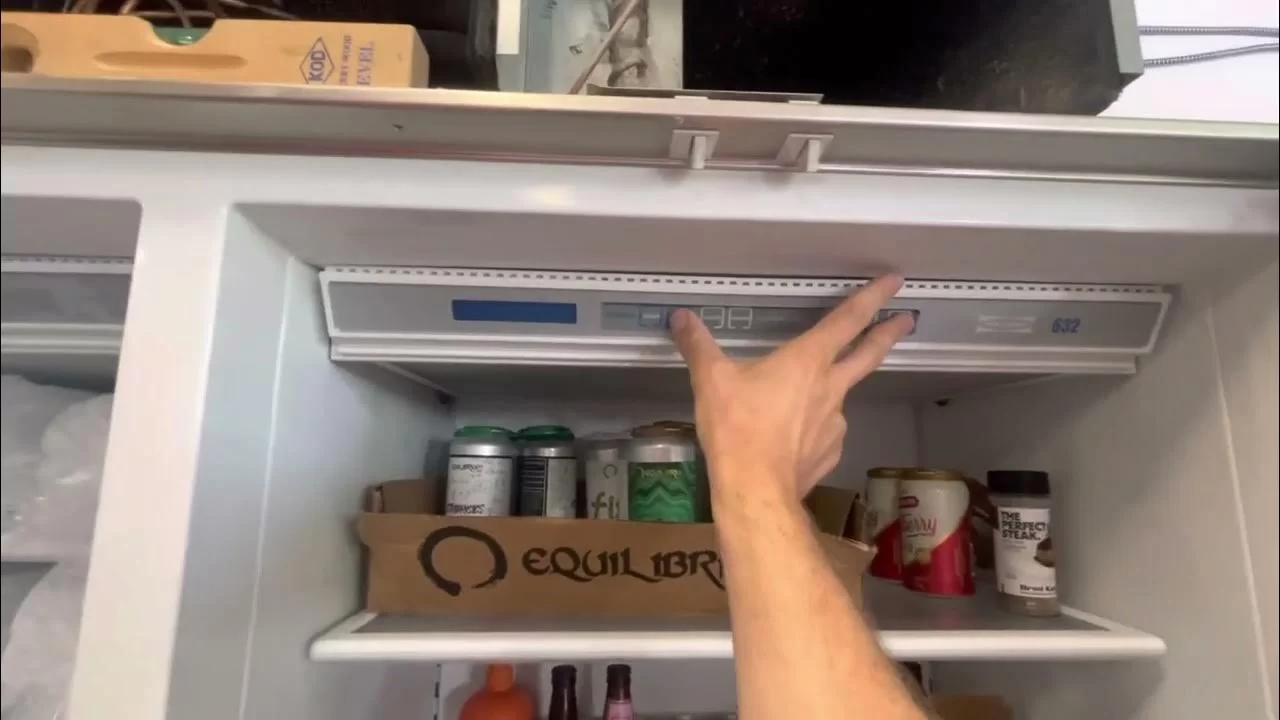
Understanding the best temperature for a refrigerator is essential for both food safety and the appliance’s efficiency. By maintaining the ideal temperature, you ensure your food stays fresh longer and reduce the risk of foodborne illnesses. In this detailed guide, we will explore why the right temperature is crucial and provide comprehensive tips on keeping your fridge in optimal condition.
The Best Temperature for a Refrigerator
Maintaining the best temperature for a refrigerator is critical for food preservation. The recommended setting is 37°F (3°C). At this temperature, bacterial growth slows down significantly, reducing spoilage and the risk of foodborne illnesses. Additionally, this setting helps maintain the right texture and flavor of perishable items.
Ideal Settings
Want to know what is the best temperature for a refrigerator? The ideal settings for a refrigerator include:
- Fresh Food Compartment: 37°F (3°C)
- Freezer Compartment: 0°F (-18°C)
Keeping your refrigerator within these temperature ranges ensures optimal performance and food safety.
Why Temperature Matters
Food Safety
The primary reason for maintaining the best temperature is food safety. Bacteria such as Salmonella and E. coli can grow rapidly at temperatures above 40°F (4°C). By keeping your fridge at 37°F (3°C), you minimize the risk of bacterial growth, ensuring that your food remains safe to eat.
Energy Efficiency
Setting your refrigerator to the correct temperature also impacts energy efficiency. A fridge that operates at the right temperature uses less energy, which not only reduces your electricity bills but also lessens the appliance’s wear and tear, prolonging its lifespan.
Preventing Condensation
Incorrect temperatures can lead to condensation in the fridge. This moisture can cause mold growth and unpleasant odors. Keeping the temperature consistent and ensuring good airflow inside the fridge helps prevent these issues.
Tips for Maintaining the Best Temperature
Regularly Check the Temperature
Use a refrigerator thermometer to monitor the internal temperature regularly. Place it in the center of the fridge for the most accurate reading. If you notice the temperature fluctuating, it could indicate a problem with the appliance.
Proper Storage
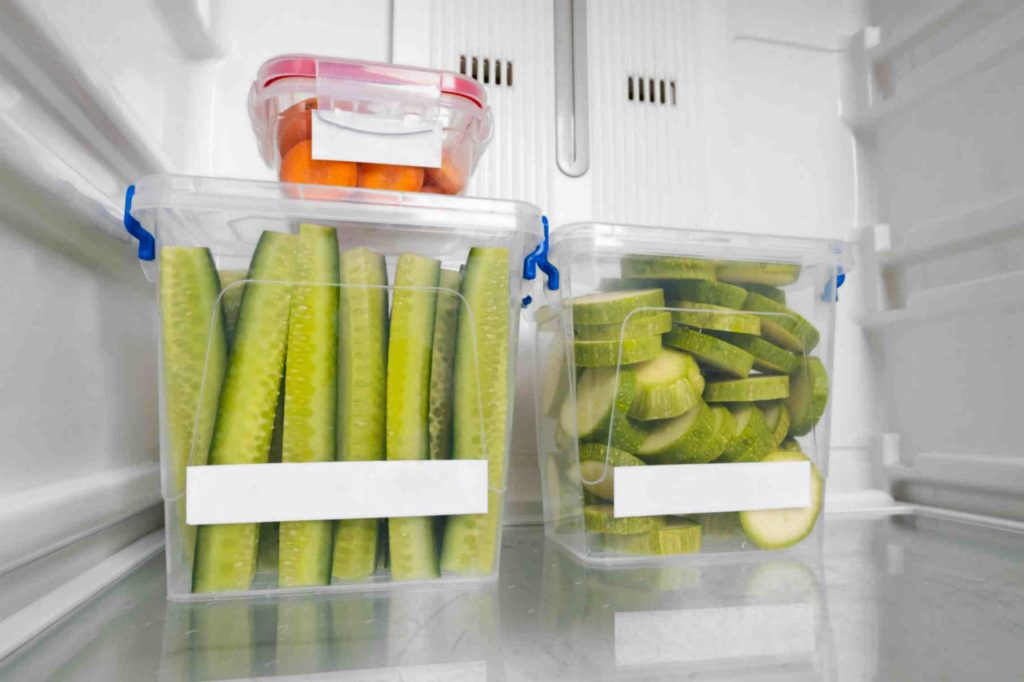
Organize your fridge efficiently. Avoid overcrowding, as this can block air circulation and lead to uneven cooling. Store raw meats on the bottom shelf to prevent cross-contamination and keep frequently used items within easy reach.
Routine Maintenance
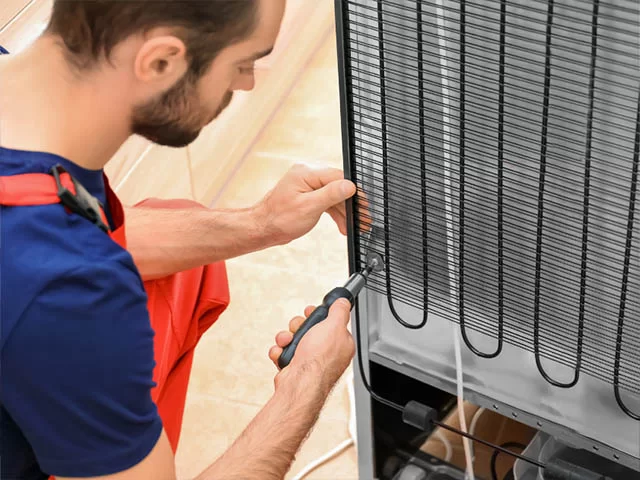
Regular maintenance is essential for optimal performance. Clean the condenser coils every six months to prevent dust buildup, which can cause the fridge to overheat and work harder than necessary. Check the door seals to ensure they are airtight. If you notice any damage, replace the seals to maintain the internal temperature.
If you encounter persistent issues, consider professional services like Sub Zero Refrigerator Repair Peachtree Hills. They can diagnose and fix problems to keep your appliance in top shape.
Common Issues and Solutions
Condensation in Fridge
Condensation can indicate temperature issues or poor sealing. Check the door seals and ensure the fridge is set to the recommended temperature. Wipe down any moisture and ensure there is adequate space around items for proper airflow.
Uneven Cooling
Uneven cooling often results from blocked air vents or overstuffing the fridge. Ensure air vents are clear and avoid placing hot items directly into the fridge, as this can cause temperature fluctuations.
Sub Zero Temperature Settings
High-end refrigerators like Sub Zero models have specific Sub Zero temperature settings. These appliances offer advanced features, such as dual compressors for separate refrigerator and freezer compartments, allowing for precise temperature control. Consult your manual or contact a professional service for guidance on optimal settings.
Professional Services
When basic troubleshooting isn’t enough, professional services can help. For issues like faulty ice makers or persistent temperature problems, services such as Sub Zero Ice Maker Repair provide expert solutions. Regular professional maintenance can keep your appliance running efficiently and extend its lifespan.
Conclusion
Maintaining the best temperature for your refrigerator is crucial for food safety and appliance efficiency. By regularly checking the temperature, organizing your fridge properly, and performing routine maintenance, you can ensure your food stays fresh and your fridge operates efficiently. For more complex issues, professional services like Sub Zero Wolf Appliance Repair Service Atlanta are available to help keep your appliances in excellent condition.
Explore our services at Sub Zero Wolf Repair Atlanta and ensure your appliances are always in top shape.
Frequently Asked Question
What is the ideal temp of a refrigerator?
The ideal temperature for a refrigerator is 37°F (3°C). This temperature helps keep your food fresh while minimizing the risk of bacterial growth, ensuring both safety and longevity of perishable items.
Should a fridge be on 1 or 5?
The ideal setting depends on your specific refrigerator model. Generally, the numbers on a refrigerator dial indicate the cooling power. A higher number means colder temperatures. For many fridges, setting it to 4 or 5 is recommended. However, it’s best to consult your refrigerator’s manual to understand the optimal setting for your model.
Is 5 Degrees too hot for a refrigerator?
Yes, 5°C (41°F) is too warm for a refrigerator. The recommended temperature is 37°F (3°C). At 5°C, food may spoil faster and there’s a higher risk of bacterial growth, which can lead to foodborne illnesses.
What is the correct temperature for a freezer?
The correct temperature for a freezer is 0°F (-18°C). This temperature ensures that food remains frozen and safe for long-term storage, preventing the growth of harmful bacteria.
How to set a refrigerator thermostat?
To set a refrigerator thermostat:
- Locate the Thermostat Dial: This is usually inside the fridge, on the top or side walls.
- Adjust the Dial: If the dial has numbers, turn it to 4 or 5 for a colder setting. If it has a digital control panel, set it to 37°F (3°C).
- Use a Thermometer: Place a refrigerator thermometer in the center of the fridge to monitor the actual temperature.
- Adjust as Needed: Check the thermometer after a few hours. If the temperature is not 37°F (3°C), adjust the dial accordingly.
- Regular Checks: Regularly check the temperature to ensure it remains consistent, especially after adding large amounts of food or after cleaning.
For specific settings, refer to your refrigerator’s user manual or contact the manufacturer for guidance.
